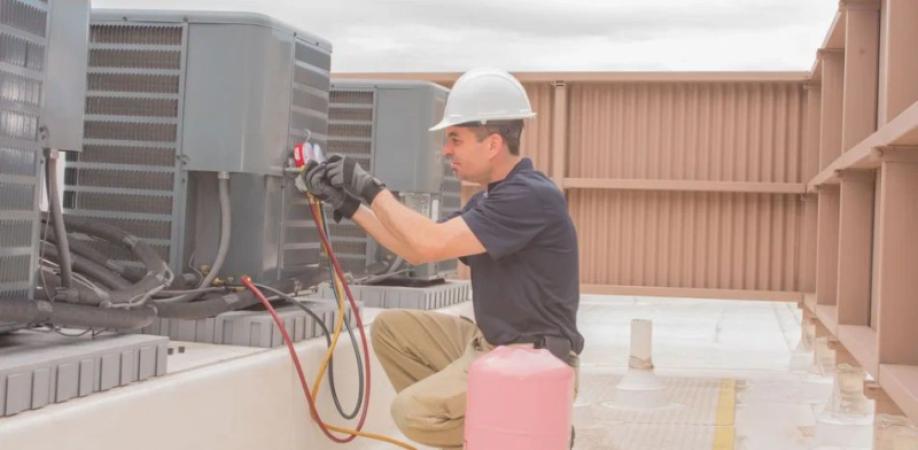
Learn how regular HVAC maintenance can lower energy bills, prevent costly repairs, extend system lifespan, and help homeowners save money year-round.
Your home's heating, ventilation, and air conditioning system plays a role in keeping you comfortable all year. If you use air conditioning in the summer or heating in the winter, taking care of your HVAC system is important.. A lot of people ignore checks until something goes wrong.
Regular HVAC maintenance is one of the ways to handle home costs, avoid repair bills, and keep your heating and cooling systems working well. Small things, like changing air filters, cleaning parts, and getting a checkup, can stop problems. Make your equipment last longer.
This article will talk about why regular HVAC maintenance can save money, the advantages of taking care of your system and the things you can do to keep your system working right.
What Is Regular HVAC Maintenance?
HVAC maintenance means checking, cleaning, and taking care of heating and cooling equipment to keep it safe and working well. It includes things you can do yourself and things a professional needs to do.
Common HVAC maintenance tasks are:
- Changing or cleaning air filters
- Looking at connections
- Cleaning outdoor units
- Checking levels and leaks
- Looking at heating and cooling parts
- Cleaning drain lines
- Checking thermostat settings
- Looking for leaks in ducts
- Testing how the system works
- Finding parts that are worn or broken
The exact work you need depends on your system, how old it is, how often you use it, and what the manufacturer says.
1. Regular HVAC Maintenance Helps Lower Energy Bills
One of the money-saving benefits of HVAC maintenance is the chance to use less energy.
Over time, dust, dirt, clogged filters, and neglected parts can make your system work harder. When air can't move well or parts don't work right, the system might need to run to keep your home at the right temperature.
For example, a dirty filter can block airflow, making the system work harder and use more energy.
Regular checks help keep parts clean and let experts spot problems that might affect how the system runs.
To help with your energy costs:
- Change air filters as the manufacturer says.
- Keep vents clear.
- Clean the area around units.
- Use the temperature settings.
- Get checks when needed.
Energy savings can vary based on your equipment and how its doing. Keeping your system clean can stop waste.
2. Preventive Maintenance Reduces Repairs
Unplanned HVAC breakdowns can be costly, especially when they happen in bad weather.
A small problem, like a blocked drain or a weak electrical part, can become an issue if not fixed.
Regular HVAC checks let experts find problems before they get worse.
During a check, a technician might find:
- Loose wires
- Worn parts
- Blocked drains
- coils
- noises
- Damaged wiring
- Signs of leaks
Fixing these early can stop problems from happening.
Preventive work can't stop every breakdown. It can lower the chance of some issues and help manage repair costs.
3. HVAC Maintenance Can Extend Equipment Lifespan
Replacing an HVAC system is a cost. Depending on the system installation and your home, it can cost a lot.
Regular checks help protect that investment by keeping the system in shape.
When filters are clean and parts work the system doesn't have to work as
Professionals can also find problems that might cause the system to fail early.
The life of an HVAC system depends on:
- How good the equipment is
- How well it was installed
- How often it's used
- The weather
- How well it's maintained
- What repairs have been done
- How it's used
With checks, the system's life can't be guaranteed, but following the manufacturer's advice can help it last longer.
4. Routine Maintenance Helps Prevent Emergency HVAC Repairs
HVAC problems always happen at times. An air conditioner might fail in a heatwave or a furnace might stop working in the middle of a day.
Emergency repairs can be more expensive and harder to handle, especially if technicians are busy.
Getting checks can help find problems before they become urgent.
For example, a check before summer can find a problem with the air conditioner's parts. Fixing it early can stop a breakdown.
Preventive checks are especially helpful for people who rely on their HVAC system all year.
5. Clean Air Filters Improve System Performance
Air filters are one of the most important parts of your system to maintain.
Their main job is to catch dust and other particles.. They get dirty over time.
When a filter is too dirty it can block airflow. Hurt how the system works.
Checking and changing filters regularly can help:
- Keep airflow right
- Reduce stress on parts
- Help the system work better
- Protect internal parts
- Keep indoor air clean
How often you change the filter depends on the type, your home and what the maker says. Homes with pets or lots of dust need changes.
Changing a filter can stop problems from blocked airflow.
6. HVAC Maintenance Helps Protect Indoor Air Quality
Indoor air quality can affect how comfortable you are, especially if you spend a lot of time indoors.
Dust, pollen, pet hair, and other bits can build up in filters and parts.
Regular checks help keep filters and drains in shape. Technicians can also find issues like moisture or blocked drains that affect air quality.
Homeowners can help improve air quality by:
- Changing filters often
- Keeping vents open
- Making sure there's airflow
- Fixing moisture issues
- Cleaning parts as needed
- Getting professional checks
Maintenance isn't a substitute for airflow or fixing pollution sources. Its part of keeping your home comfortable.
7. Seasonal HVAC Maintenance Improves Reliability
Heating and cooling systems work hardest in summer and winter. Getting them ready before those times can stop problems.
Seasonal checks mean looking at the system before its used a lot.
Spring HVAC Maintenance
Before the cooling season, think about:
- Changing or checking filters
- Clearing dirt around units
- Testing the thermostat
- Looking at the drain
- Getting a check
These steps help the cooling system be ready for hot weather.
Fall HVAC Maintenance
Before the heating season, think about:
- Checking or changing filters
- Testing thermostat settings
- Looking at heating parts
- Checking vents for blockages
- Getting a professional check
Gas furnaces need safety checks by experts.
Seasonal checks can find problems before the system is under pressure.
8. Regular Maintenance Helps Maintain Consistent Indoor Comfort
An HVAC system that isn't cared for may not keep your home at a comfortable temperature.
You might notice heating, not cooling, strange sounds or longer running times.
These signs can point to issues like blocked air, dirty coils, thermostat problems or broken parts.
Regular checks can find and fix these issues. The system works better.
Keeping airflow and performance can also mean you don't need to adjust the thermostat much.
Maintenance can't solve every comfort issue. It can help with problems that affect comfort.
9. HVAC Maintenance Can Help Protect Your Property
Some HVAC problems can damage more than the system.
For example, a blocked drain can make water overflow from an air conditioner. That water can hurt walls, ceilings or floors.
Neglected systems can also cause safety issues.
Regular checks can find these risks before they cause damage.
Homeowners should watch for:
- Water near HVAC equipment
- Strange smells
- rust
- Odd noises
- High energy use
- shutdowns
If you see these signs, get a checkup of waiting.
10. Regular HVAC Maintenance Can Support Property Value
A maintained HVAC system can be a feature when selling a home.
Buyers often look at the condition of systems before deciding. Maintenance records can show the equipment was taken care of.
A service history can also tell you about repairs and how the system is doing.
Even though maintenance won't guarantee a price, a system thats well cared for can make it easier for buyers to see how good the heating and cooling is.
How Often Should Homeowners Schedule HVAC Maintenance?
The right schedule depends on the system type, what the maker says and where you live.
Many people get a check a year for each major heating or cooling system. Homes with systems may need checks before times.
But always follow the maker's instructions.
Homeowners should also check air filters often. Change them when needed, not just when the next check is due.
If your system is older used a lot or has had problems ask a professional if it needs checks.
DIY HVAC Maintenance vs. Professional HVAC Services
Some HVAC maintenance tasks are suitable for homeowners, while others require professional knowledge and specialized equipment.
DIY HVAC maintenance | Professional HVAC maintenance
Checking air filters | Inspecting electrical connections
Replacing accessible filters | Testing system performance
Keeping vents unobstructed | Inspecting internal components
Removing loose debris around outdoor units | Checking refrigerant systems
Checking thermostat settings | Inspecting condensate drainage
Keeping the outdoor unit area clear | Diagnosing mechanical problems
Homeowners should always follow equipment instructions and avoid opening electrical compartments or handling refrigerants.
Professional HVAC technicians can perform more detailed inspections and identify problems that may not be visible during routine household maintenance.
Combining simple DIY care with professional servicing can help homeowners maintain their systems more effectively.
Signs Your HVAC System Needs Maintenance
Even if you follow a maintenance schedule, it is important to recognize signs that your system may need attention.
Common warning signs include:
- high energy bills
- Airflow from vents
- Inconsistent indoor temperatures
- Strange noises during operation
- Unusual odors
- Frequent system cycling
- Water leaks near indoor equipment
- Difficulty maintaining the thermostat setting
These symptoms do not always indicate a major problem but they should not be ignored.
If your system stops working or produces burning smells. Shows signs of a problem, turn it off when safe to do so and contact a qualified professional. For suspected gas leaks or carbon monoxide alarms leave the area. Follow the appropriate emergency procedures.
How to Save Money on HVAC Maintenance
Homeowners can take steps to manage HVAC maintenance expenses.
Follow a Maintenance Schedule
Keep track of filter changes, inspections and completed repairs. A consistent maintenance schedule makes it easier to identify tasks.
Replace Filters on Time
Check filters regularly. Use the type and size recommended by the manufacturer. Avoid using a filter that's too restrictive for your system.
Address Small Problems
Noises, water leaks, and changes in system performance may indicate developing problems. Having them inspected promptly may prevent damage.
Compare Professional Service Estimates
When hiring an HVAC contractor, compare the services included in maintenance plans and written estimates. Check the contractor's qualifications, insurance and warranty terms where applicable.
Keep Your Outdoor Unit Clear
Remove leaves, grass clippings and other loose debris from, around the unit. Maintain the clearance recommended by the manufacturer to support airflow.
Use Your Thermostat
Choose temperature settings based on your comfort needs and household schedule. A programmable or smart thermostat may help manage heating and cooling schedules when used correctly.
Common HVAC Maintenance Mistakes to Avoid
Even homeowners who understand the importance of maintenance can make mistakes that affect system performance.
Ignoring air filters: Leaving a dirty filter in place for too long can restrict airflow and affect equipment operation.
Skipping professional inspections: Some HVAC problems cannot be identified through basic visual checks alone.
Blocking vents: Placing furniture or other objects directly in front of vents can interfere with airflow.
Neglecting the outdoor unit: Allowing debris to accumulate around the condenser can interfere with its operation.
Ignoring unusual noises: Rattling, grinding, or other unfamiliar sounds may indicate a developing mechanical problem.
Waiting until the system breaks down: Delaying attention to warning signs can sometimes result in more expensive repairs.
Avoiding these mistakes and following your system's maintenance recommendations can help protect your HVAC investment.
Frequently Asked Questions About HVAC Maintenance
Does regular HVAC maintenance really save money?
Regular HVAC maintenance can help reduce avoidable energy waste, identify developing problems, and prevent certain costly repairs. Actual savings depend on the system's condition, energy prices, usage, and the type of maintenance performed.
How much does HVAC maintenance cost?
HVAC maintenance costs vary depending on the location, equipment type, contractor, and services included. Homeowners should request written estimates and compare what each maintenance visit covers.
Can HVAC maintenance lower energy bills?
Maintenance can help reduce energy waste caused by issues such as restricted airflow and dirty components. However, the amount saved depends on the equipment's existing condition and operating efficiency.
What happens if I skip HVAC maintenance?
Skipping maintenance can allow dirt, worn components, and developing mechanical problems to go unnoticed. Over time, these issues may affect efficiency, comfort, and equipment reliability.
Is professional HVAC maintenance necessary every year?
Many HVAC manufacturers and service professionals recommend regular annual inspections, although the exact schedule depends on the equipment. Follow the manufacturer's guidance and consult a qualified technician about your system.
When is the best time to schedule HVAC maintenance?
Spring is a practical time to prepare air conditioning equipment for summer, while fall is suitable for preparing heating systems for winter. Scheduling ahead of periods of heavy use can help you address potential problems before you need the equipment most.
Conclusion
Regular HVAC maintenance is an important part of managing household expenses and keeping your heating and cooling systems in good condition. From helping control energy consumption to identifying potential problems early, routine servicing can offer several financial and practical benefits.
Homeowners can support system performance by replacing air filters, keeping vents clear, monitoring unusual changes, and scheduling professional inspections. Although maintenance cannot prevent every breakdown or guarantee lower bills, it can help reduce avoidable problems and protect your investment.
By making regular HVAC maintenance part of your home care routine, you can improve system reliability, maintain indoor comfort, and make more informed decisions about future repairs and replacements.